Forensic & Law Enforcement
Find buried evidence: bodies, weapons, caches of drugs, UXO detection, Intrusion monitoring

Have a question that needs an answer?
Police
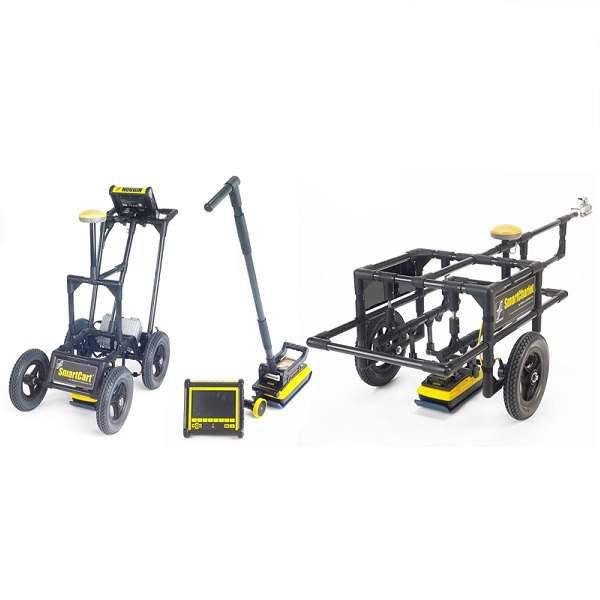
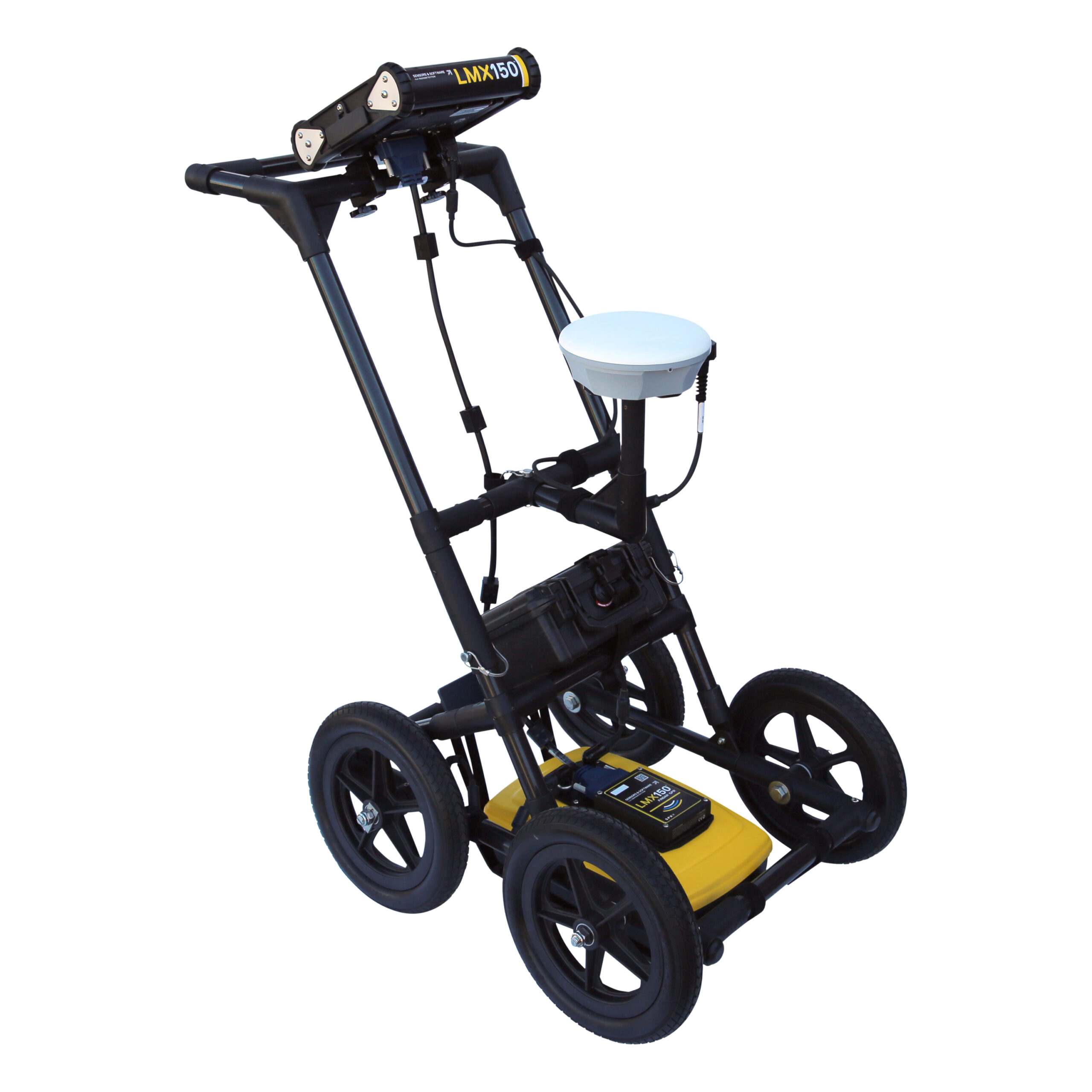
Police regularly use GPR to uncover buried caches of drugs, money, weapons, as well as locate clandestine graves. GPR’s capability to detect both metallic and non-metallic buried objects has lead to an ever widening use in forensics. While GPR does not deliver the fantasy results portrayed on some TV shows, GPR can provide powerful insight to forensics specialists needing to conduct detailed subsurface site investigations.
 Investigators receive an accurate indication of the location of the body
 Ground Penetrating Radar guides exhumation
 FINDAR speaks for murder victims
 Locate buried evidence
Security
Security, emergency measures and military uses of GPR abound. GPR’s unique sensitivity to non-metallic structures embedded in soils, rocks and building materials results in GPR seeing use in diverse applications such as search and rescue, tunnel location, intrusion detection, UXO, landmine and buried IED detection.
UXO & Landmines
Intrusion Monitoring
UXO & Landmines
Military uses of GPR focus primarily on the location and detection of buried explosive devices. For area clearing, GPR is used on ranges and old sites to identify unexploded ordnance (UXO). More recent live campaign applications involve the real-time location and identification of buried improvised explosive devices (IEDs) and buried fusing mechanisms.
 GPR for IEDs
 Unexploded Ordnance (UXO)
Intrusion Monitoring
Security uses of GPR are wide ranging. A common application is the location of embedded wires and cables in structures. Location of buried bunkers, tunnels and buried caches are areas of growing interest. The ability to sense human motion through walls and underground sees GPR being used for intrusion detection.
 Cables & Sensors Embedded in Walls
 Clandestine Tunnels, Bunkers
Search & Rescue
GPR has the ability to sense victims movements and breathing. Emergency response teams are now seeing the benefits of using GPR to detect living victims buried in damaged buildings, landslide, and avalanche debris. Immediate on-site victim locating can be done with Rescue Radar using specialized time-lapse data recording.
 Detect Movement of Buried Victims
Request More Information
Case Studies

Buried victim search & rescue
When disaster strikes and people are buried alive, search and rescue teams need to be readily deployed with simple-to-use search techniques. Teams commonly employ audible detection of victims’ cries for help, trained sniffer dogs and even cell phones. More recently, remote sensing technologies are starting to emerge. This case study examines the use of customized GPR technology to locate buried victims in an experimental facility
Learn more